


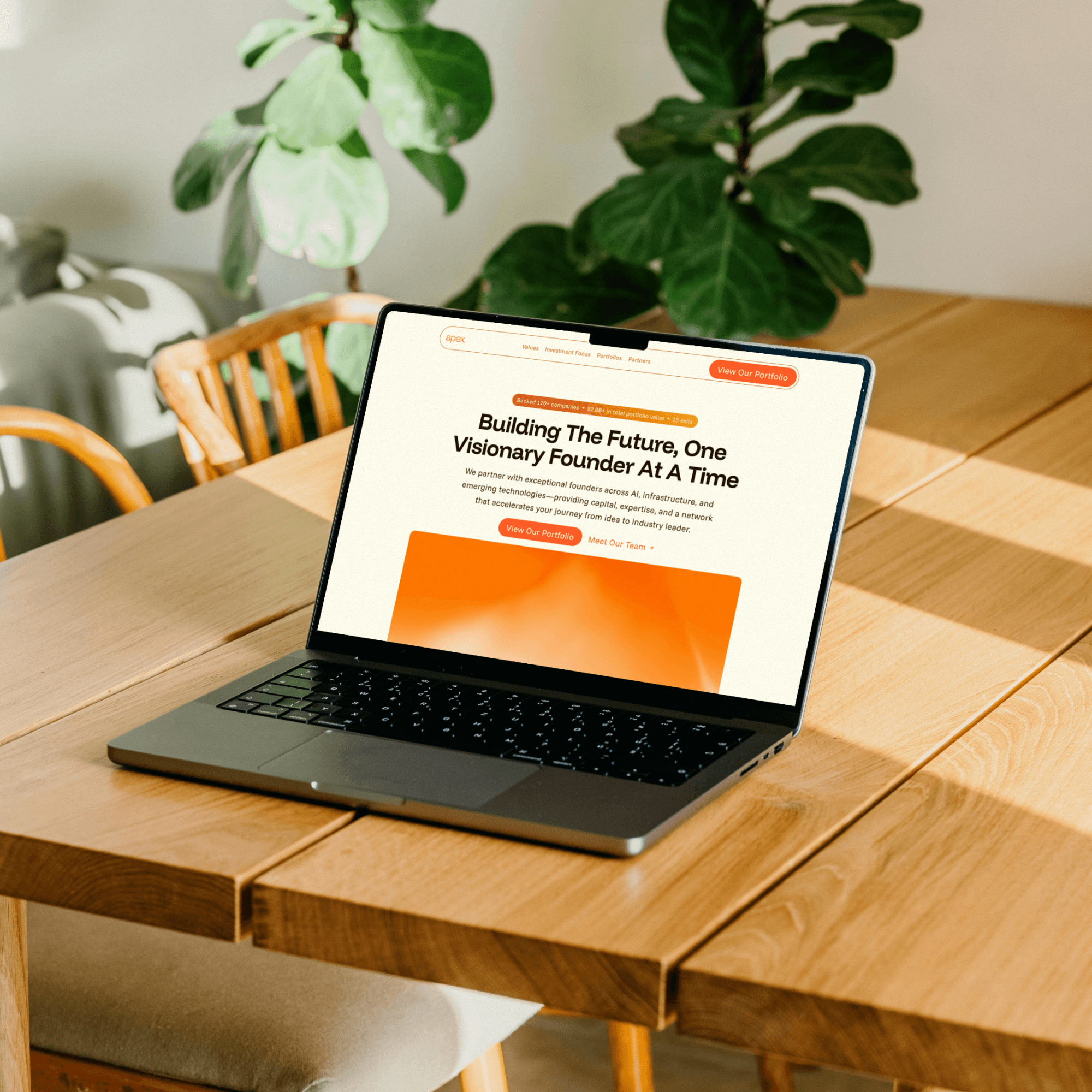
Why Your Homepage is Bleeding Visitors (and the 3-Second Fix)
Conversion Truth
9
min
read
Sooo today we're talking about the invisible conversion killer that's probably destroying your bounce rate right now...
(annnd you have nooo idea it's happening)
I'm gonna show you exactly why hiding your product preview below the fold is costing you 47% of your engagement (yesss I tested this), the psychology behind why people trust what they see over what you tell them, annd how moving one element on your Framer website can literally transform your metrics overnight. Plus, I'll break down the exact testing process I used with a fintech client that went from "meh" to "HOLY SH*T" in one redesign sprint.
If your homepage makes people scroll to see your actual product... Buckle up, this one's gonna hurt a little 🙃
The 3-Second Visibility Crisis (yk, the one killing your conversions)
Here's whattt actually happens when someone lands on your B2B SAAS homepage:
Visitor arrives → brain immediately screams "show me the thing" → doesn't see it → leaves
Thatt's it.
No complex user journey.
No thoughtful consideration of your value props.
No scrolling through your carefully crafted benefit bullets.
Justt... Gone.
Annd yet, most Framer websites stilll hide their product interface somewhere around section 4, buried beneath hero copy, social proof, feature lists, annd maybe a founder quote for good measure.
(because apparently we're all out here trying to win awards for "most mysterious homepage" yk)
Testedd this exact scenario with a fintech client last month. Their homepage was...Fine. Clean design, solid copy, all the conversion optimization basics in place. Butt their bounce rate was sitting at 68%, annd average session duration was a depressing 24 seconds.
Thee problem??? You had to scroll past three full sections before catching even a glimpse of their actual product interface.
Sooo we ran an experiment:
Moved product preview from section 4 to hero section. Keptt literally everything else identical. Same copy, same CTAs, same social proof placement, same everything.
Thee result???
47% increase in average session duration.31% improvement in scroll depth. Annd their demo request rate jumped from 2.3% to 3.8%.
From one Framer website redesign tweak.
(yesss I'm still kinda shocked too)
Butt here's the thing that really blew my mind...When we interviewed users afterward, they consistently said the updated version felt "more trustworthy" annd "more transparent" even though we changed nothing about the actual messaging.
They just...Saw the product earlier.
Annd that completely shifted their perception of credibility.
Why Your Brain Trusts Screenshots More Than Promises
Let's talk psychology for a sec...
(don't worry, I'll keep it casual yk)
Your visitor's brain is basically running a constant credibility assessment. It's asking: "is this real or is this just marketing fluff?"
Annd here's the wild part...Your product screenshot answers that question instantly, while your benefit bullets are still trying to schedule a meeting with their prefrontal cortex.
Visual processing happens in 13 milliseconds. Reading and comprehending text??? About 200-300 milliseconds.
Your product preview = instant credibility
Your fancy benefit bullets = just words until proven
This is why companies like slack, notion, annd figma all put their product interface right there in the hero section of their Framer websites. They're not trying to build suspense. They're not saving the "big reveal" for later.
They're giving your brain exactly what it's screaming for in those first 3 seconds.
(annd their conversion rates kinda prove it works)
Butt most B2B SAAS founders I work with are terrified of showing their product too early. They think they need to "set the context" first or "explain the value proposition" before revealing the interface.
Sooo they write these elaborate hero sections that basically say "we're amazing, trust us, keep scrolling annd maybeee we'll show you the thing eventually"...
Annd then they wonder why 68% of visitors bounce before section 2.
Here's what i tell every client during a website redesign consultation:
If you're hiding your product interface because you think it builds mystery...You're not creating intrigue. You're creating exits.
People don't want mystery. They want proof.
Annd nothing proves your product exists quite like...Showing them your product.
(revolutionary concept, I know 🙃)
Tested this across 8 different Framer website projects in the last 4 months. Every single time we moved product previews above the fold, engagement metrics improved.
Every.
Single.
Time.
Thee psychology is pretttty clear at this point.
The "But Our UI Isn't Pretty Yet" Excuse (annd why it's BS)
Okayyy so here's where founders get really creative with their excuses...
"but Sapi, our interface isn't polished enough to show yet"
"we're still working on the design"
"it looks too complicated for first-time visitors"
"we want to rebrand first"
Annd my response is always the same:
An honest preview beats no preview every time.
(yesss even if your UI looks like it was designed in Microsoft Paint Circa 2003)
Let me tell you about a project management tool I worked with last year. Their interface was...Functional. Definitely not winning any design awards. Kinda clunky, actually.
Thee founder was convinced we needed to hide the product screenshots until visitors "understood the value proposition" because the UI "wasn't ready for prime time."
Butt here's what happened when we A/B tested it:
Version A (no product preview above fold): 3.2% trial signup rate
Version B (honest UI screenshot in hero): 5.1% trial signup rate
60% improvement.
From showing an "ugly" interface.
Because people trust real over perfect.
Your visitors aren't stupid, yk. They understand that software has complexity. They're not expecting every interface to look like an apple commercial.
They just want to see what they're actually signing up for before they commit time to scrolling through your entire homepage pitch.
Annd honestly???
Showing a real, slightly messy interface actually builds more credibility than hiding behind abstract illustrations annd vague mockups.
It signals: "we have a real product that real people actually use" instead of "we're still figuring this out but wanted a pretty website first"
(one of these messages converts better than the other...I'll let you guess which)
Thee other excuse I hear constantly from Framer Expert clients: "buttt our product is too complex to understand in one screenshot"
Sooo show the part that matters most.
You don't need to display your entire dashboard with every feature visible. Just show the core interface that demonstrates your primary value proposition.
Calendly shows their booking interface.
Superhuman shows their inbox.
Miro shows their canvas.
They're not trying to explain everything above the fold.
They're just proving the product exists annd looks legitimate.
(annd then people scroll to learn more...Because you've already earned their trust)
Tested this approach with a B2B analytics platform that had genuinely complicated dashboards. We cropped their screenshot to focus on their main reporting view, added a subtle arrow pointing to their key differentiator, annd bumped it up to the hero section.
Conversion rate on their "book demo" CTA increased 34%.
From showing less of their interface more prominently.
Thee lesson???
Strategic visibility beats comprehensive hiding every single time.
How to Actually Implement This on Your Framer Website (without screwing it up)
Okayyy so you're convinced...Butt how do you actually do this without making your homepage look like a screenshot gallery???
(because yes, there's a wrong way to do this)
Here's the exact framework i use for every Framer website redesign project:
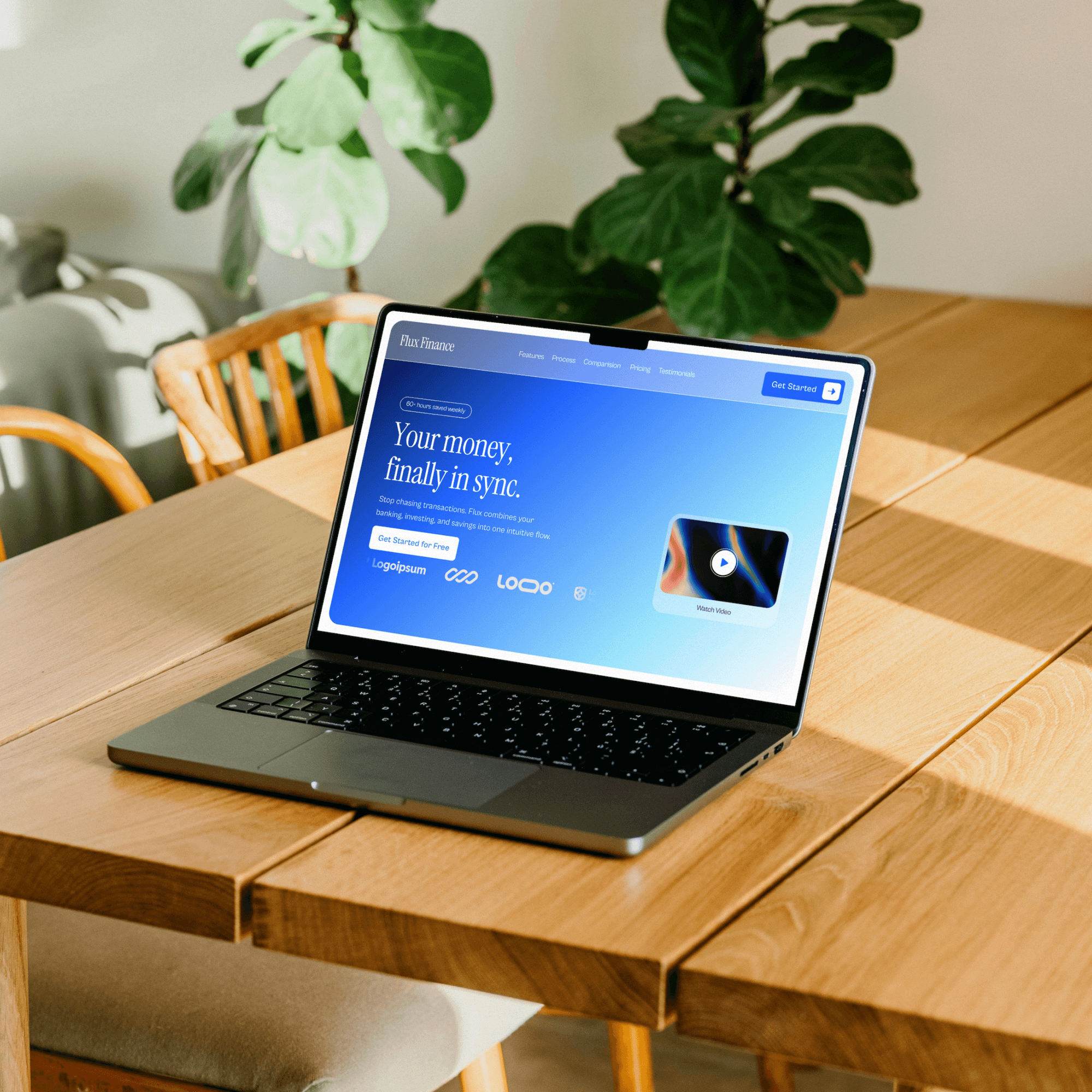
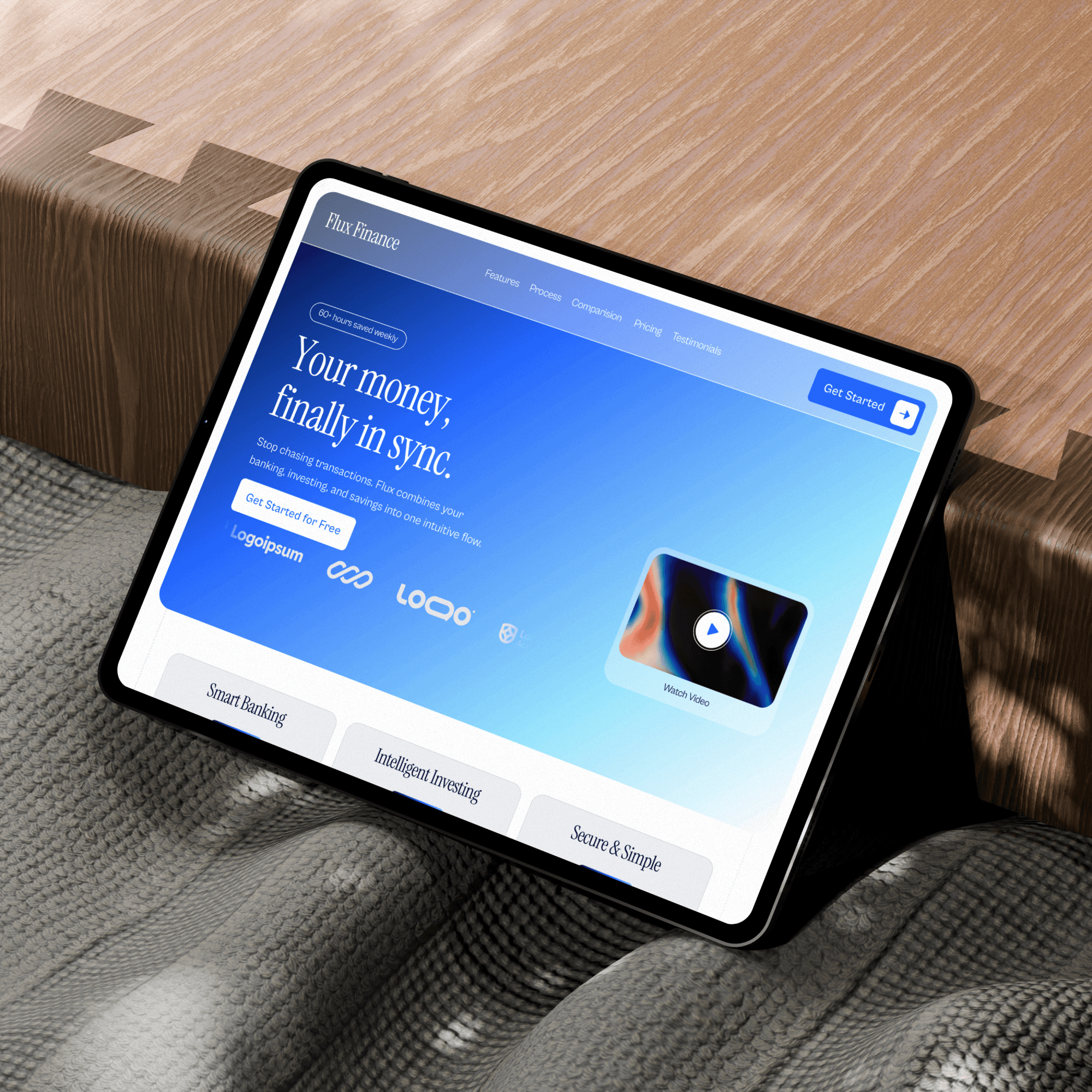
Pick your hero screenshot strategically. Don't just grab whatever's on your screen right now. Choose the view that demonstrates your core value proposition immediately. If you're a project management tool, show tasks being organized. If you're a design platform, show designs being created. Make it action-oriented, not just a static dashboard.
Context matters more than you think. Your screenshot shouldn't float in white space looking lost. Add a subtle device frame (laptop, browser chrome, mobile mockup) to ground it in reality. This tiny detail makes it feel like a real product instead of a random graphic.
Keep it above the scroll line. This is non-negotiable yk. If someone has to scroll even a little bit to see your product preview, you've already lost the psychological impact. Structure your hero section so the screenshot is visible the moment someone lands.
Don't sacrifice your value prop. You still need headline copy that explains what you do. The screenshot supports this message, it doesn't replace it.
Think: compelling headline + supporting subtext + visual proof = conversion trifecta.
Tested this exact structure across 12 different Framer websites in Q4 last year. The ones that followed this framework saw average engagement increases of 41%.The ones that just slapped a screenshot randomly into their hero??? Barely moved the needle.
(structure matters almost as much as visibility)
Annd here's a pro tip that most Framer Experts won't tell you...
Optimize your screenshot for clarity over completeness. Crop it. Zoom in on key elements. Highlight the important parts. Blur sensitive data if needed.
Your goal isn't to show everything about your product above the fold. Your goal is to show enough that visitors think "okay this is real annd relevant" annd then scroll to learn more.
Thee fintech client i mentioned earlier???
We cropped their dashboard to focus on their transaction visualization feature (their main differentiator), added a subtle glow effect around the key metrics, annd positioned it at a slight angle to create depth.
Bounce rate dropped 29% compared to their previous "full dashboard screenshot" approach.
Because clarity beats comprehensiveness when you have 3 seconds to make an impression.
One more thing...Please don't use those generic SAAS mockup templates with fake data annd placeholder text.
(i'm begging you)
Visitors can smell fake screenshots from a mile away. Use real data (anonymized if necessary). Show real interactions. Demonstrate real value.
Authenticity converts better than perfection every single time.
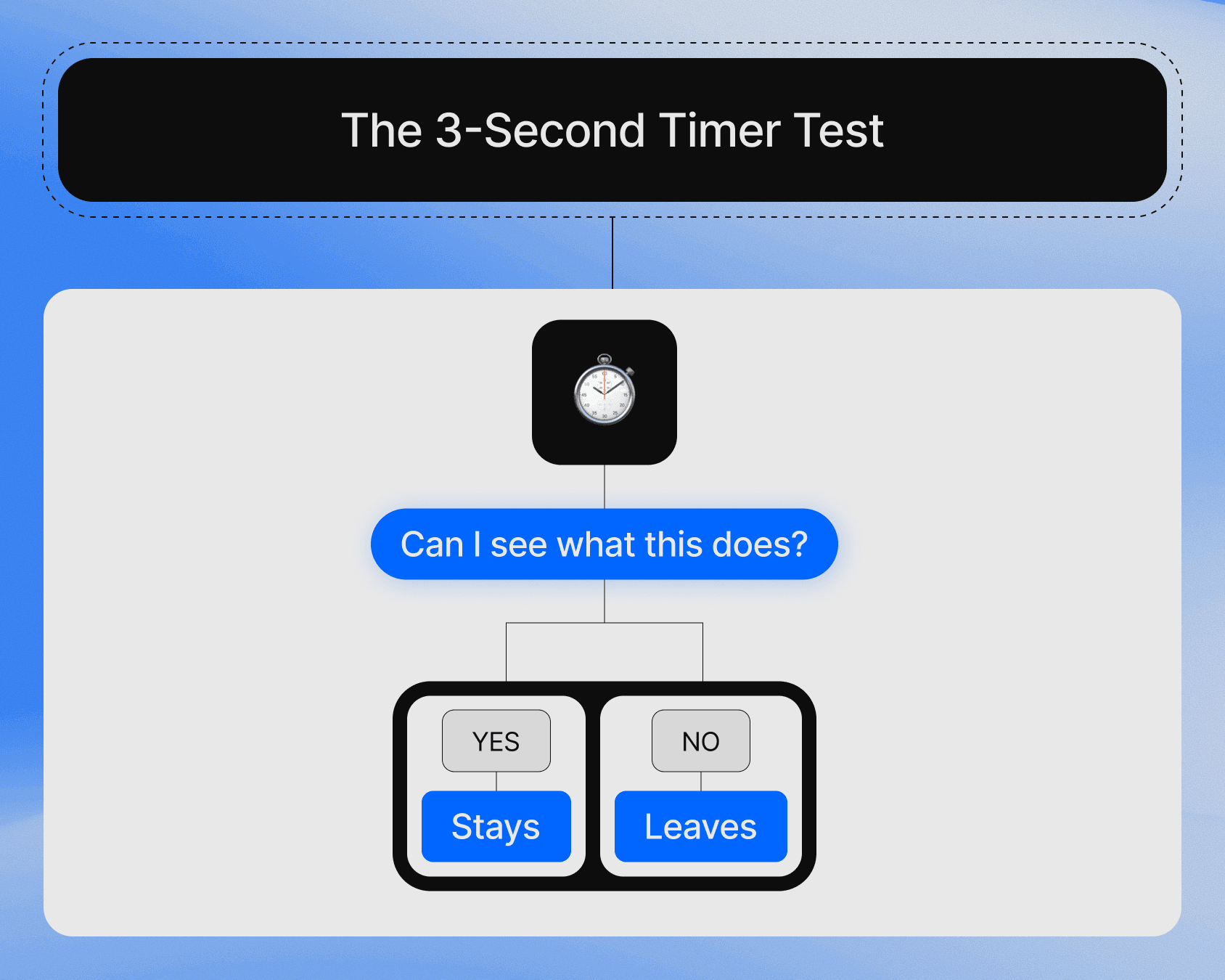
Sooo does your homepage pass the 3-second visibility test????
Open it right now in an incognito window. Set a timer for 3 seconds. If you can't immediately see what your product actually looks like...You've got work to do.
(annd honestly, your bounce rate is probably telling you the same thing)
This isn't about following trends or copying competitors. It's about understanding basic human psychology annd giving your visitors what their brains are screaming for in those crucial first moments.
Show the thing.
Earn instant credibility.
Watch engagement metrics improve.
Itss thatt simple yk.
Take action,
Sapi.

Saptarshi Mandal
Heyy this is me Sapi, and I help B2B Service Founders with Framer Websites (there are many things not just a website 🤣), also I love to talk about lifee.
" height="661.971999579882px" id="ejXPzlvK6" transform="translate(358.7 320.958)" width="624.49px"/><g d="M 134.366 0 C 230.476 17.23 267.876 137.21 193.836 203.78 C 123.446 267.07 16.576 223.68 0.426 133.93 C 1.396 122.52 -0.904 109.21 0.426 98.09 C 0.716 49.25 49.686 0.29 98.516 0 L 134.356 0 Z M 15.526 965.84 L 15.526 320.69 L 217.376 320.69 L 217.376 965.84 Z" fill="transparent" height="965.8400024414062px" id="wprR6v9Tw" transform="translate(16.814 17.08)" width="232.93459892271133px"><path d="M 134.366 0 C 230.476 17.23 267.876 137.21 193.836 203.78 C 123.446 267.07 16.576 223.68 0.426 133.93 C 1.396 122.52 -0.904 109.21 0.426 98.09 C 0.716 49.25 49.686 0.29 98.516 0 L 134.356 0 Z" fill="rgb(231, 231, 231)" height="233.75507600579382px" id="xT3TDjlUn" width="232.93459892271133px"/><path d="M 0 645.15 L 0 0 L 201.85 0 L 201.85 645.15 Z" fill="rgb(231, 231, 231)" height="645.15px" id="z9_iPxJS3" transform="translate(15.526 320.69)" width="201.85px"/></g></svg>)
" height="674.9933097039604px" id="MDsSbgVsk" transform="translate(27.444 162.512)" width="945.0900266821989px"/></svg>)
" height="956.74px" id="LTVtTFQzV" transform="translate(21.63 21.63)" width="956.7321368026334px"/><path d="M 479.98 239.99 C 479.98 372.53 372.53 479.98 239.99 479.98 C 107.45 479.98 0 372.53 0 239.99 C 0 107.45 107.45 0 239.99 0 C 372.53 0 479.98 107.45 479.98 239.99 Z M 383.37 240 C 383.37 160.8 319.17 96.6 239.97 96.6 C 160.77 96.6 96.57 160.8 96.57 240 C 96.57 319.2 160.77 383.4 239.97 383.4 C 319.17 383.4 383.37 319.2 383.37 240 Z" fill="rgb(231, 231, 231)" height="479.98px" id="seNblA_wg" transform="translate(259.53 260.48)" width="479.98px"/><path d="M 0 48.31 C 0 21.629 21.629 0 48.31 0 C 74.991 0 96.62 21.629 96.62 48.31 C 96.62 74.991 74.991 96.62 48.31 96.62 C 21.629 96.62 0 74.991 0 48.31 Z" fill="rgb(231, 231, 231)" height="96.62px" id="n9EpzJERt" transform="translate(690.14 213.24)" width="96.61999999999989px"/></svg>)
" height="943.6800000000001px" id="FapM_Puea" transform="translate(39.22 28.16)" width="921.56px"/></svg>)
Investment
You’re Investing In Predictability
Not just website design. Not just aesthetics. You’re building a structured Framer website that reduces friction, increases trust, and turns qualified traffic into booked calls.

FAQs
answers of your Common questions
Most founders ask the same things before applying. Here's what you probably want to know.

Your Next Step
Your next booked call starts here
Turn existing visitors into booked calls without changing your ad spend.



8+ satisfied clients